A Complete Guide to Wellhead Protection Plans
Clean, safe drinking water depends on protecting groundwater, the source for many municipal wells across Michigan and Indiana. A wellhead protection plan (WHPP) is a proactive way for communities to protect these groundwater sources from contamination.
In This Guide
What Is a Wellhead Protection Plan?
A wellhead protection plan outlines how a community will protect the area surrounding its public water supply wells. The wellhead protection area (WHPA) is the surface and subsurface region where water flows toward a public well. Activities within this zone, such as storage tanks, septic systems, or certain land uses, can directly influence water quality.
EPA established the Wellhead Protection Program under the 1986 amendments to the Safe Drinking Water Act to help states and communities prevent contaminants from entering public water supplies before treatment is needed.
Michigan’s Wellhead Protection Program
The Michigan Department of Environment, Great Lakes, and Energy (EGLE) encourages all public water supply systems using groundwater to develop a WHPP. While participation is voluntary, EGLE’s program offers technical and financial support to local communities that take action.
A Michigan wellhead protection plan typically includes:
- Delineation of the wellhead protection area using hydrogeologic studies.
- Identification of potential contaminant sources, including industrial, commercial, and agricultural activities.
- Management strategies to reduce contamination risks, such as local ordinances or best practices for chemical storage.
- Public education and outreach to raise awareness among residents and businesses.
- Contingency planning for emergency response and alternate water supplies.
- Program evaluation to measure success and update the plan over time.
Communities that complete EGLE’s voluntary program often benefit from added public trust, stronger environmental stewardship, and long-term cost savings by reducing future cleanup or remediation needs.
Indiana’s Wellhead Protection Program
Indiana’s Department of Environmental Management (IDEM) manages the state’s wellhead protection program under the same federal framework. IDEM requires all community public water supplies using groundwater to develop a WHPP and implement it through local coordination.
Indiana’s program emphasizes community-driven planning and public involvement. Each plan must include:
- A defined protection area, mapped based on groundwater flow and pumping rates.
- An inventory of potential contaminant sources within the area.
- Local management practices for land use, spill prevention, and emergency response.
- Education and outreach activities for residents, schools, and businesses.
IDEM’s phased approach helps systems maintain compliance and make measurable progress over time.
Why Wellhead Protection Matters
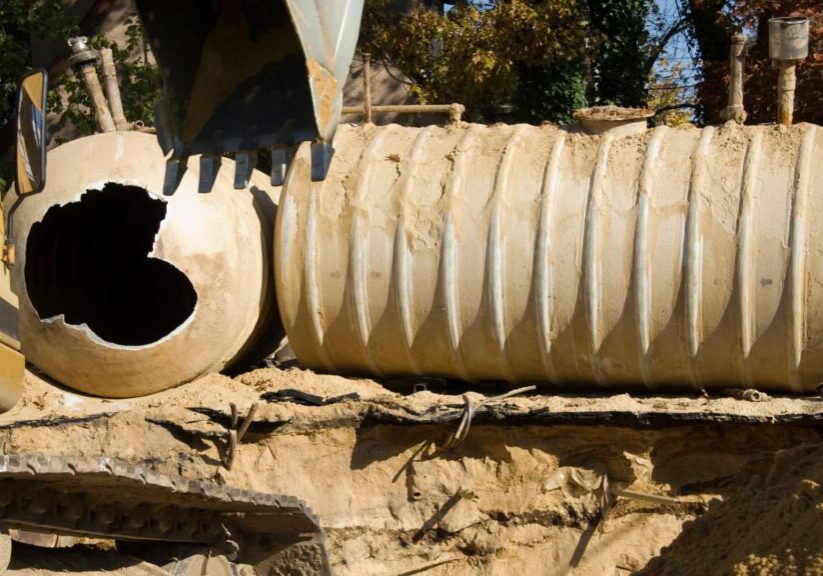
Groundwater contamination can be expensive and difficult to correct. A single leaking underground storage tank (LUST), for example, can release petroleum products into aquifers that supply entire communities. Wellhead protection plans make sure these threats are identified and managed before they reach drinking water sources.
By adopting a WHPP, communities can:
- Strengthen resilience against spills, leaks, and emerging contaminants.
- Build coordination between municipal departments, local businesses, and residents.
- Support sustainable development and land use planning.
- Maintain compliance with state and federal drinking water regulations.
How Fleis & VandenBrink Can Help
F&V partners with municipalities throughout Michigan and Indiana to develop and implement wellhead protection plans that meet state and federal expectations. Our environmental and hydrogeologic staff support every phase of the process from delineation and contaminant source inventory to public education and plan maintenance.
Our team provides:
- Groundwater modeling and mapping to delineate wellhead protection areas.
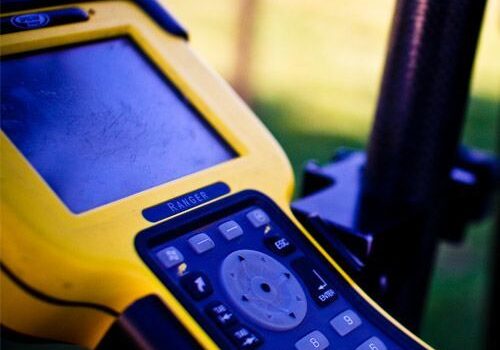
- Field inspections and GPS data collection to locate and document potential contamination sources.
- Collaboration with local planners to integrate WHPP strategies into zoning and land use plans.
- Preparation of documentation for EGLE or IDEM review.
- Long-term updates and GIS integration to maintain and visualize protection areas.
When your community begins developing a new plan or updating an existing one, F&V’s experienced staff can make sure your program meets state guidelines and protects your community’s water supply for decades to come. Talk to our team today.
Frequently Asked Questions
What is a wellhead protection area?
A wellhead protection area (WHPA) is the land and groundwater surrounding a public water supply well where water naturally flows toward the well. Any contaminants introduced within this area could reach the well and impact drinking water quality. The boundaries of the WHPA are determined using hydrogeologic mapping and groundwater modeling.
Is a wellhead protection plan required in Michigan?
Michigan’s program, administered by EGLE, is voluntary but strongly encouraged. Communities that participate can access grant funding, technical assistance, and public recognition while demonstrating responsible management of their drinking water resources.
Is a wellhead protection plan required in Indiana?
Yes. Indiana’s Department of Environmental Management requires all community public water systems using groundwater to develop and implement a WHPP. These plans must be reviewed and updated every five years.
Who manages wellhead protection at the local level?
Typically, a community’s wellhead protection committee — made up of public works staff, local officials, and other stakeholders — manages the program. They oversee plan implementation, coordinate education efforts, and update the plan as land use or water conditions change.
How often should a wellhead protection plan be updated?
Both Michigan and Indiana recommend reviewing and updating WHPPs every five years to reflect changes in land use, well operation, or potential contaminant sources.
How does GIS support wellhead protection planning?
GIS allows communities to visualize wellhead protection areas, track potential contaminant sources, and share spatial data with regulators and the public. F&V integrates GIS mapping and field data collection into every WHPP we deliver, giving communities accurate, accessible information for decision-making.
You can reach us today at any one of our 10 locations.
Related Posts