Capital Improvement Projects: A Complete Guide

Bottom line: A capital improvement plan turns asset age, condition, location, funding paths, and community priorities into a phased infrastructure roadmap.
- For public works teams: A CIP helps rank water, sewer, roadway, facility, and utility work based on condition, service life, and timing.
- For city leaders: The plan makes infrastructure decisions easier to explain before emergencies set the agenda.
- What to watch: A CIP should be reviewed on a set cycle and updated when grants, asset condition, or community growth changes the picture.
- F&V perspective: Fleis & VandenBrink has helped municipalities connect infrastructure studies, water reliability planning, project plans, and grant applications since 1993.
What is a Capital Improvement Project?
F&V has assisted numerous communities in completing Capital Improvement Plans (CIPs) since 1993. Through these studies, our staff works with community leaders to evaluate the useful life of their existing facilities and develops a CIP focused on identifying areas in need of replacing aging infrastructure.
A CIP is an essential living and working document to help guide your community. Following it closely and reviewing it annually, will help keep it on track – especially with budgets, funding, or emergencies. Using it as the basis of community planning will allow a municipality to make the most out of its CIP and stay fiscally responsible. Developing a CIP doesn’t have to be scary when you have F&V as your experts.
Capital Improvements Examples from Fleis & VandenBrink Projects
F&V has assisted numerous communities in completing facility and infrastructure planning studies for over 30 years. Our planning and study experience is demonstrated by the numerous water reliability studies, water system master plans, feasibility studies, Preliminary Engineering Reports (PERs) and Project Plans for the Drinking Water State Revolving Fund (DWSRF). These reports typically include 5, 10, or 20-year master planning as appropriate for the situation, including recommended capital improvements and priorities.
Developing a Capital Improvement Plan
What Needs to Be Included in a Capital Improvement Plan?
A CIP looks at a variety of items:
- Equipment and assets
- Age
- Location
- Condition
- Capital projects
- Estimated cost of projects
- Estimated timeline of project
- Funding Sources
- Prioritization of projects
Why Are CIPs Important?
There are lots of benefits to having an updated CIP:
- Fiscal Health: Sets a plan of when to fix infrastructure and helps plan with budgeting and rate methodology.
- Quality of Life: A healthy infrastructure enhances the quality of life in a community, to make it a more attractive place to live, work, and play.
- Planning: A CIP is your roadmap for needed improvements.
Identify Potential Capital Improvement Projects
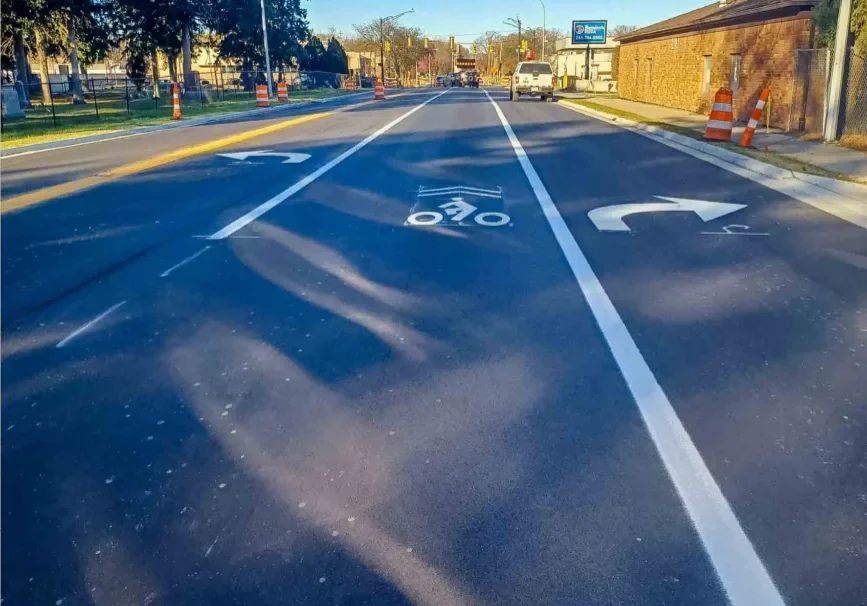
Capital improvement projects range from simple to complex, such as new ADA ramps or repaving a roadway to multimillion-dollar structures, like bridges or buildings. There are several questions Community Leaders should ask when identifying and prioritizing projects for capital improvements:
- How critical is the project and what is its condition?
- Is the project a high priority for the community?
- How much will it cost to fix now versus waiting a year?
Creating a CIP Finance Plan
Financing your CIP can be a critical competent of its creation.
How do I fund my CIP?
There are several options for financing the improvements needed for aging infrastructure. The first is through your rates and charges. If an infrastructure loan is needed, the main agency supported programs for loans and grants are USDA Rural Development Program (RD), Michigan’s Clean Water State Revolving Loan Program (CWSRF), Drinking Water State Revolving Loan Program (DWSRF), and Michigan Economic Development Corporation (MEDC).
CIP Funding Example
City of Harrison
The City of Harrison also received a $2 million MEDC Infrastructure Capacity Enhancement (ICE) grant for its most urgent CIP needs, which included lift station and critical watermain improvements. F&V helped the City with its grant application and the improvement project.
“We were able to work on urgent water and sewer needs. It really helped us out,” Connelly said. “We made progress that we wouldn’t have been able to without the grants.”
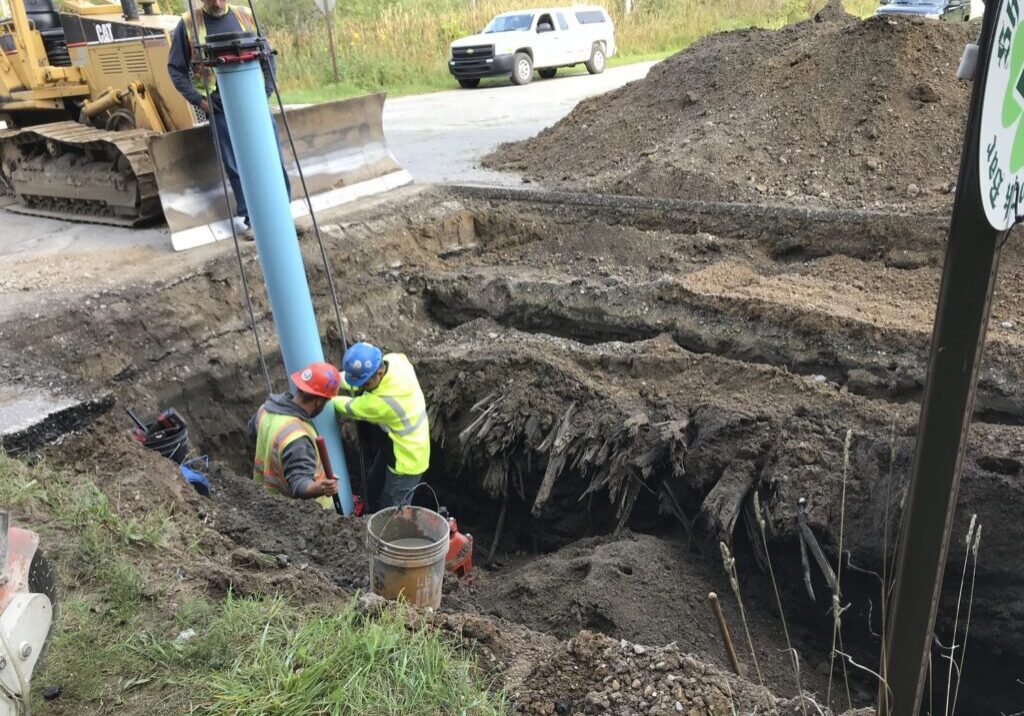
F&V provided funding assistance, design and construction engineering for wastewater improvements that included replacing three antiquated air-lift stations and a grinder pump station.
Put Your Capital Improvement Plan into Action
Let us assist with your Capital Improvement Plan today! Give us a call or e-mail to start planning.
You can reach us today at any one of our 11 locations.
Related Posts