Press Release: Croswell gets state funding for more Drinking Water Improvements

The City of Croswell received $5 million in a Michigan Infrastructure Grant for more Drinking Water Quality Improvements this week.
Senator Dan Lauwers, who represents District 25 which includes the City of Croswell, was in town Monday, Oct. 31 to discuss the project and funding requirements with city officials and consultant Fleis & VandenBrink of Midland.
“It was great to be here today,” Lauwers said. “We couldn’t be more pleased that Croswell is receiving this grant.
“We know city officials are going to make good use of the funding and continue to build a future for the Croswell business community and all the people that live in Croswell.”
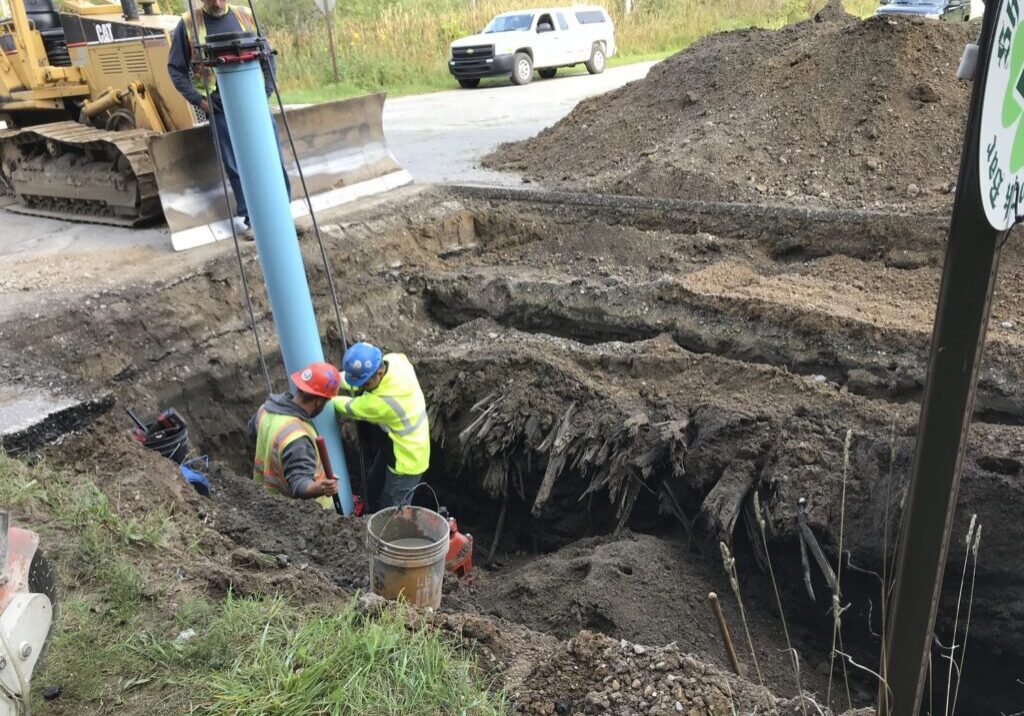
Croswell, which also received $1 million in Community Project Funding in June this year from U.S. Congresswoman Lisa McClain to begin watermain upgrades, will use the state money to continue replacing aging and undersized water mains.
“We’ve heard across the state that water infrastructure is not only something that we may have neglected over the years but it’s also one of the big restrictions on future expansion for a lot of businesses,” Lauwers added.
“This water improvement project will help fix the infrastructure and set the table for future expansion.’
“This is a huge milestone for the City of Croswell,” said David Tait, Croswell’s city administrator. “We are very thankful for this funding.
“This is perfect timing to upgrade our infrastructure. We are going to be able to fix things today that we might not have been able to fix down the road because of rising inflation, costs of services and goods and their availability.”
The city, which has aging undersized water main in service for over 75 years, will replace water mains considered a high priority until the funding runs out.
“We’re happy to assist the city in replacing undersized, four-inch mains made of cast iron that are causing poor water quality, poor pressure and breaks in the line,” said consultant Gary Bartow, F&V’s East Michigan Group manager. “This money is also going to improve service leads from the main to the property lines and solve water reliability issues.”
The city’s Water Department has also been completing prescriptive measures from State of Michigan water staff on lines that were starting to corrode and produce unsafe drinking water for residents.
“With the new mains being installed and proper maintenance going forward, we will be able to protect the health, safety and welfare of all our city residents,” said Greg Alexander, the City’s Utility and Community Development director.
Alexander said many of the city’s four-inch pipes have been reduced to just two-and-a-half inch with sediment. The water flows through them but is restricted.
City officials have been coping with the water quality issue for years.
“Whenever we get surges in water and high usage in certain areas, it just turns the system upside down,” Alexander noted. “Now that we’ve begun to replace water mains, we’re getting less and less sediment disturbance.”
The drinking water quality improvement project is expected to begin next year and be completed in the fall of 2024. The improvements will eliminate contamination caused by breaks or leaks and improve water pressure to safe levels.
“It’s important for the citizens of Croswell to keep moving forward on infrastructure upgrades,” Tait noted. “We’ll replace high priority lines until the money runs out and then we’ll have to come up with a game plan to attack the rest.”

You can reach us today at any one of our 11 locations.
Related Posts