What You Need to Know About Structural Assessments

Bottom line: A structural assessment converts field observations, visible distress, and testing into a clear record of building, bridge, or infrastructure condition.
- For public works teams: Assessments may include site visits, visual inspection, concrete sounding, photo documentation, findings review, and a final engineering report.
- For city leaders: The report helps prioritize maintenance, renovation, repair, occupancy, or capital planning decisions for public facilities and infrastructure.
- What to watch: Cracking, corrosion, uneven floors, sticking doors, masonry movement, and submerged damage deserve evaluation before they grow harder to address.
- F&V perspective: Fleis & VandenBrink’s structural engineers assess buildings, bridges, water and wastewater facilities, dams, seawalls, piers, and underwater assets.
When a structure starts to show its age — or when ownership or use is about to change — it’s important to understand the structure’s condition. Structural assessments help public agencies and building owners make informed decisions about maintenance, repair, and long-term investment.
At Fleis & VandenBrink (F&V), we conduct structural assessments for buildings, bridges, and infrastructure across Michigan and Indiana to help communities document and maintain their assets.
In This Guide
What Is a Structural Assessment?
A structural assessment, sometimes called a structural evaluation, is an in-depth examination of a structure’s stability and condition. Engineers combine visual inspections with field testing to assess the soundness of materials and identify any signs of distress or deterioration.
These assessments are important for municipal facilities, bridges, and commercial or multifamily buildings, particularly before renovations, property transfers, or major capital projects.
What’s Included in a Structural Report?
A professional structural assessment generally includes five parts:
1. Site Visit
An engineer visits the structure to observe interior and exterior conditions and document findings through photos and notes.
2. Concrete Sounding
This test detects separation between concrete and reinforcing steel, revealing hidden weaknesses in decks, foundations, or slabs.
3. Visual Inspection
Cracks, swelling, corrosion, or material discoloration can indicate structural stress or moisture intrusion. Engineers record these details to understand what’s happening beneath the surface.
4. Review of Findings
Collected data are analyzed and compiled into a summary of the structure’s current condition.
5. Final Report
The report outlines observations, conclusions, and recommendations. Structures in good condition may only need short reports, while more distressed structures warrant greater detail.
When Should an Assessment Be Completed?
The timing depends on the type and use of the structure. Bridges and other transportation assets often require inspections on set schedules. Buildings may need an assessment before renovation, resale, or occupancy changes.
An assessment is also recommended when visible changes appear, such as cracks in facades, sticking doors, or uneven floors. Most evaluations take between two and four weeks from initial request to final report, though larger or more complex municipal projects may take longer.
Who Performs Structural Evaluations?
Licensed structural engineers conduct these evaluations. Their experience in load-bearing analysis, materials performance, and code compliance allows them to identify issues accurately and provide actionable recommendations.
F&V’s structural engineers perform assessments for a range of structures, including specialized work through our dive team, which evaluates underwater and submerged structures such as bridge piers and seawalls.
Common Types of Structural Assessments
Buildings
F&V performs building assessments to document existing conditions, identify visible or potential deficiencies, and help owners plan maintenance or rehabilitation projects. Assessments are common for older facilities, unoccupied buildings, and properties being transferred to new ownership.
Bridges
Bridges require ongoing evaluations to keep the traveling public safe. Our team conducts bridge inspections for municipalities and county road commissions, providing data that supports maintenance planning and long-term service life.
Infrastructure
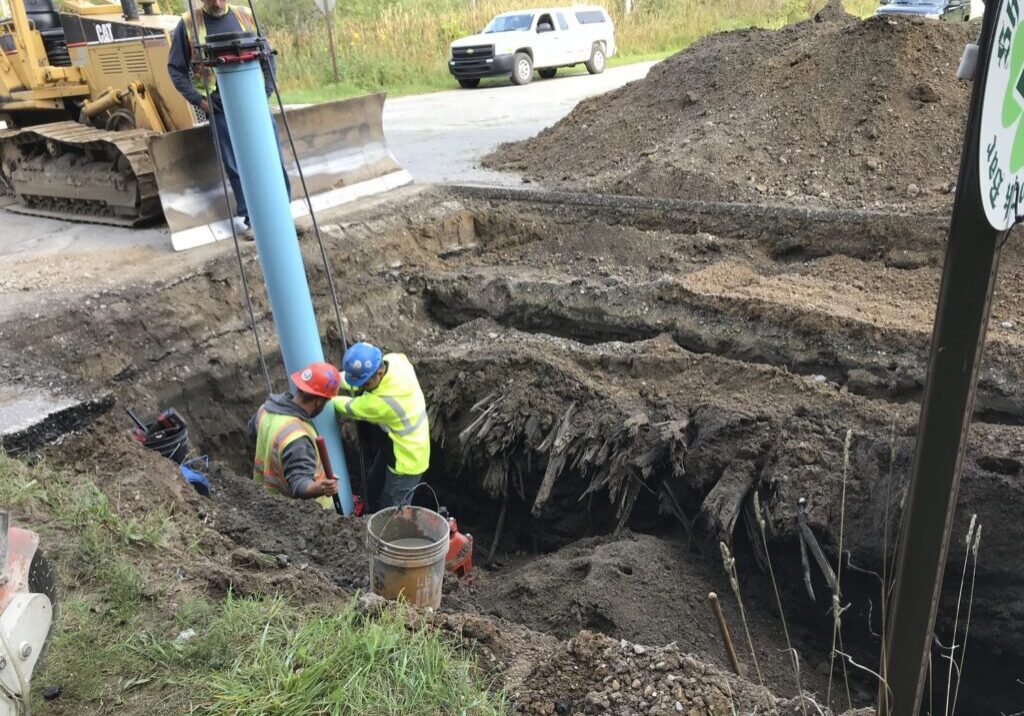
We routinely assess municipal structures such as wastewater plants, water treatment facilities, and dams. These evaluations help communities make sure critical infrastructure continues to operate safely and reliably.
Underwater Structures
Along Michigan’s inland lakes and Great Lakes shorelines, F&V’s diving engineers inspect submerged foundations, pipelines, and piers. Underwater assessments reveal conditions that can’t be seen from the surface, helping clients prevent costly or hazardous failures.
F&V’s Structural Assessment Expertise
Structural assessments are part of our broader structural engineering services. Our in-house engineers combine field experience with design insight to help municipalities and organizations plan, maintain, and protect their infrastructure.
With decades of experience in public works, F&V partners with communities to make sure structures remain safe, durable, and compliant throughout their service life.
Tell Us About Your Project
Need a trusted engineering team to assess your structure? Fleis & VandenBrink performs building, bridge, and infrastructure evaluations across Michigan. Please reach out to us to discuss your project and learn how a structural assessment can help you plan the right next steps.
You can reach us today at any one of our 11 locations.
Related Posts