What to Know About Streetscapes

Great streets are about more than pavement; they’re about creating safe, welcoming spaces for everyone.
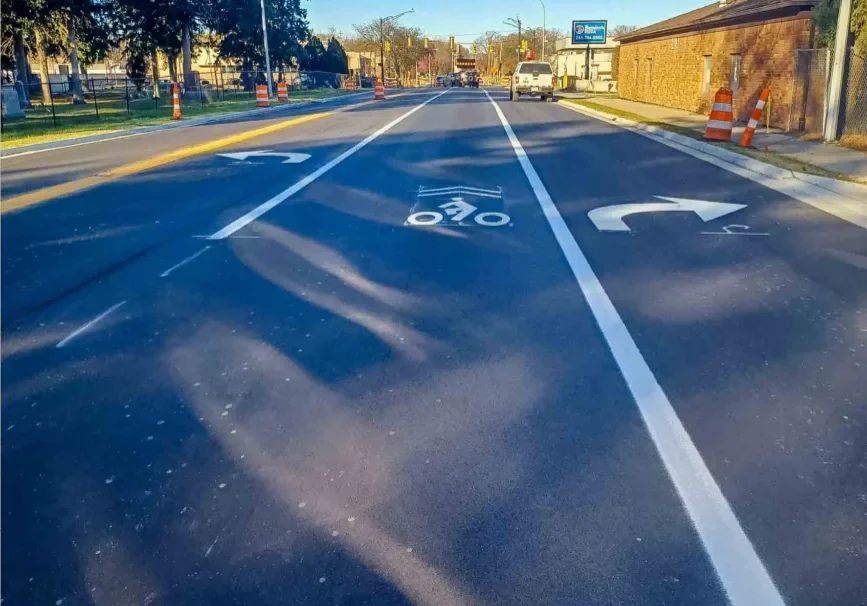
Streetscapes include carefully designed elements that shape our public streets. Elements include sidewalks, bike lanes, transit stops, trees, lighting, and seating. These components must work together to accommodate pedestrians, cyclists, transit users, and vehicles safely and equitably. This post explores what streetscapes are, their goals, and the key principles guiding effective design.
What Is Streetscape Design?
Streetscape design considers the visual and functional composition of all street corridor elements. It includes pedestrian infrastructure, bicycle facilities, transit infrastructure, vegetation, street furniture, lighting, and utilities. A modern streetscape must safely and fairly accommodate multiple transportation modes. Importantly, it’s a holistic system where each component serves a purpose and contributes to the overall functionality, safety, and character of the public realm.
Goals of a Well-Designed Streetscape
- Safety and Accessibility: Provide clear sightlines, appropriate lighting, and infrastructure accommodating all users, including those with disabilities.
- Economic Vitality: Attractive streetscapes increase foot traffic, support local retail and restaurants, and strengthen communities.
- Environmental Health: Manage stormwater, reduce the urban heat island effect, support biodiversity, and improve air and water quality.
- Community Connection: Create gathering spaces that facilitate interaction, civic engagement, and belonging.
- Safe Multi-Modal Transportation: Accommodate pedestrians, cyclists, transit, and vehicles with equal priority for safety. Provide protected pedestrian infrastructure, safe bike lanes, accessible transit, traffic calming, and clear wayfinding. Prioritizing multi-modal transportation creates more equitable, vibrant communities that reduce car dependency.
- Place Identity: Reflect local culture and values while creating distinctive places residents take pride in.
Balancing Function and Visual Character
In streetscape design, balancing function and visual character means creating a street that works well for people while also being attractive and reinforcing the community’s identity.
- Form follows function: Every element should serve a purpose. A street tree provides shade, manages stormwater, and creates visual interest.
- Material selection: High-quality materials demonstrate care and durability, encourage respectful use, and reduce maintenance costs.
- Design details: Color, texture, rhythm, and programming create visual interest and activate spaces. Flexible design allows spaces to evolve with community needs.
Design for Long-Term Maintenance
When designing the streetscape, an important factor is selecting durable materials, given the Midwest’s harsh winters and hot summers.
Communities must review their design and plan for snow removal and repairs, and facilitate future repairs without significant disruption.
Finally, it’s necessary to consider lifecycle costs during design to help maximize the community’s investment over the long-term.
Accessibility and User Experience
A major consideration when designing a streetscape is making sure that it is accessible to all users.
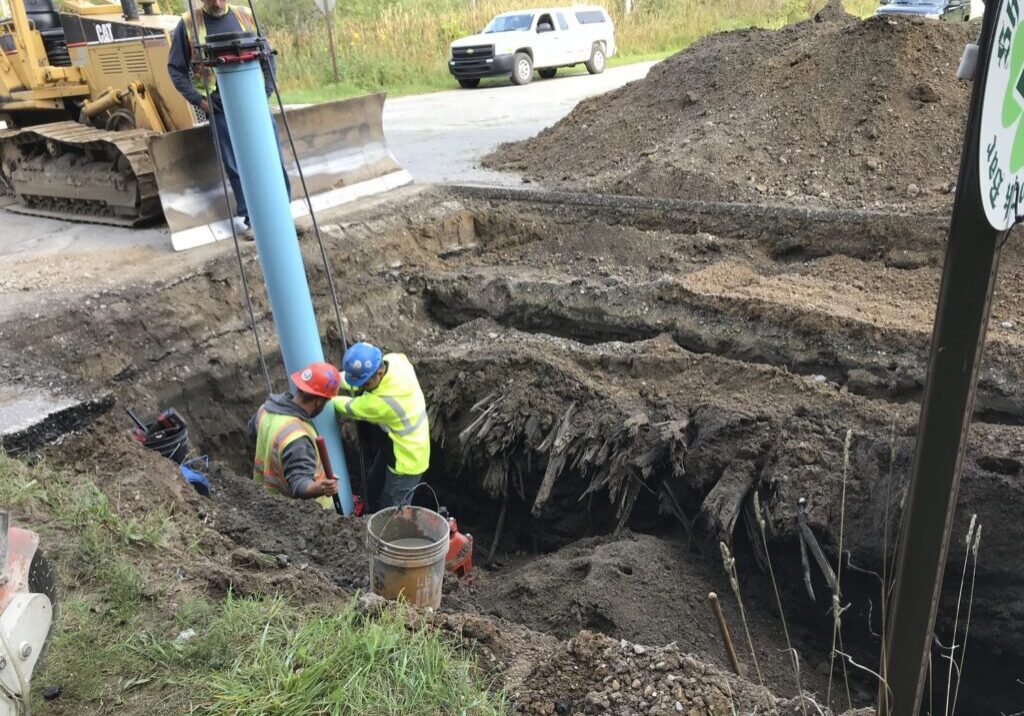
Meeting ADA standards is typically seamless, but replacing an existing sidewalk can present challenges. Older sidewalks often aren’t wide enough, requiring a new footprint and potential right-of-way acquisition, or existing utility poles may encroach into the sidewalk space.
Depending on the circumstances, overcoming these obstacles requires a balance of innovative design and working with multiple stakeholders to develop a solution. Another consideration is exploring periodic closures for special city events and popular local celebrations, as well as other frequent pop-ups and farmers’ markets.
More detailed considerations include:
- Provide adequate lighting, tactile wayfinding, and audible signals for people with visual or hearing impairments.
- Prioritize pedestrians and cyclists through protected infrastructure. Provide accessible transit stops. Use traffic calming and clear modal separation. Ensure visibility and predictability throughout.
- Include weather protection, frequent seating, clear wayfinding, and design input from diverse users—people with disabilities, elderly residents, families, and those with limited English proficiency.
How Fleis & VandenBrink Approaches Streetscape Design
F&V approaches streetscape design by focusing on initial planning and developing a concept design. We then work with utilities and regulatory agencies to verify compliance. Finally, F&V can help during the construction phase by providing support as needed.
One of the first considerations for F&V, and most critical for any project, is gathering public input. Public engagement is a critical aspect of virtually every project, and streetscape projects are no exception. We work with clients to conduct public engagement sessions and gather community feedback. Ultimately, the goal is to develop the right solution for each community and to generate support for it. When right-of-way acquisition is part of a project, it becomes even more important because property owners are affected.
F&V has extensive experience in streetscape, traffic engineering, and utility infrastructure design. If you would like to know more, please contact us for an initial consultation. Talk to our team today.
You can reach us today at any one of our 11 locations.
Related Posts