Why Valve Turning and Hydrant Flushing Pay Off Over Time

Bottom line: Valve turning and hydrant flushing keep water system assets usable before a break, fire event, or water quality issue puts the system under pressure.
- For public works teams: The work identifies seized valves, failed hydrants, sediment, records gaps, and system areas that need maintenance or repair.
- For city leaders: A scheduled program supports reliable service, fire response, drinking water quality, and a defensible maintenance record.
- What to watch: Field testing without record updates leaves crews guessing later; pair the work with GIS updates and asset data.
- F&V perspective: Fleis & VandenBrink helps communities build the field schedule, document findings, update GIS, and tie results to water reliability planning.
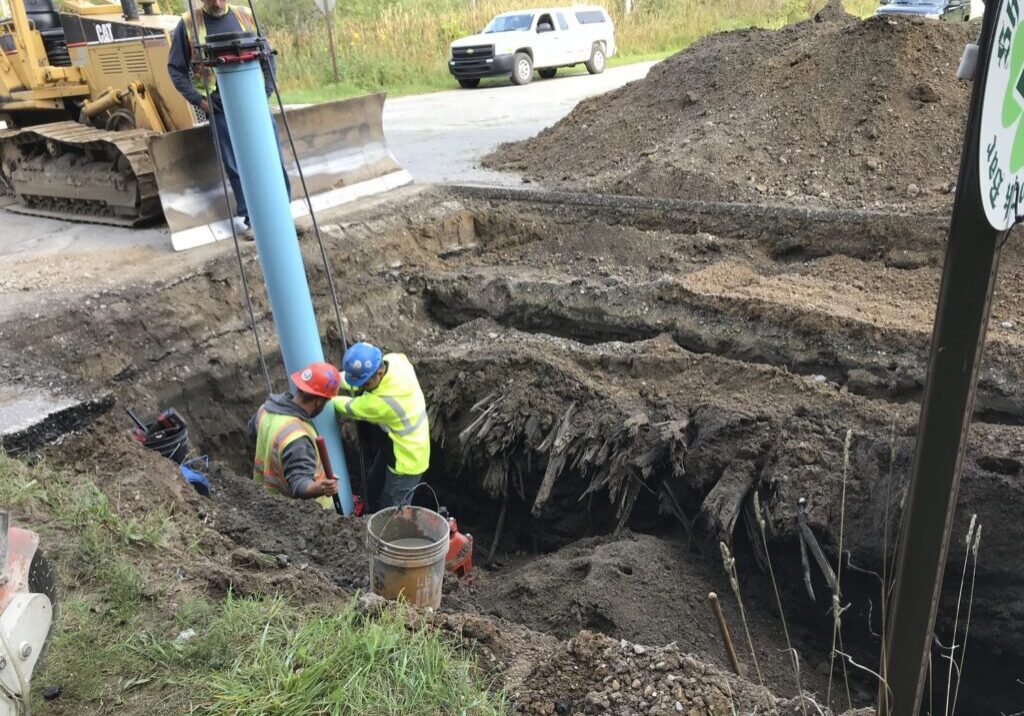
Providing safe, reliable water is one of the most essential services a community delivers. These water systems rely on a network of valves that control water flow. Regular valve-turning programs and annual hydrant flushing give communities reassurance that these systems can be shut down during emergencies, and that the water is safe to drink. An important part of a valve-turning program is knowing where the valves are located. In an emergency like a watermain break, if the valve locations are known, expensive repairs can be avoided.
What Is a Valve Turning Program?
A Valve Turning Program offers a proactive, routine maintenance process designed to keep water system valves functioning properly. Investing in routine maintenance today helps communities respond more quickly, operate more efficiently, and protect their infrastructure over the long term.
When starting a valve turning program, the first step is to prioritize the valves by importance. Critical valves, especially those near hospitals, emergency services, or other important community spaces, should be prioritized first. The next critical valve is the oldest in the system, or one near a busy area.
Key Steps in a Valve Turning Program
- Locate and document each valve using traditional surveying methods or GPS technology
- Exercise and test valves to ensure proper operation
- Maintain accurate and detailed records
- Identify, schedule, and complete necessary repairs
- Identify broken, seized, damaged, or inoperable valves and record the problem
- Establish a routine schedule for ongoing inspection and maintenance (recommended at least every two years)
What Is Hydrant Flushing?
Hydrant flushing involves controlled releases of water from fire hydrants to help maintain water quality, confirm proper operation, and remove sediment buildup. Communities should regularly check their hydrants to make sure they are functioning properly, especially for firefighting purposes.
It’s also an important function of maintaining water quality for a community. Regular flushing of hydrants helps remove sediment, biofilm, and minerals that can affect water quality, including its taste, appearance, and odor.
Why Continual Maintenance Matters
Establishing regular maintenance gives communities reassurance that their systems are working properly.
Continuous maintenance:
- Reduces the risk of inoperable valves and failed hydrants
- Supports faster response during watermain breaks and system shutdowns
- Improves system knowledge for utility staff
- Can identify where buildup or tuberculation has formed and requires cleaning
- Can help determine areas of importance for CIP repairs or replacement programs
Cost Savings Through Proactive Programs
Having a valve-turning program in place is important for communities, allowing them to plan for necessary maintenance. With a valve turning program, issues can be identified and repairs budgeted and scheduled, rather than reacting to an emergency, which can be very costly or delay firefighting efforts.
Data, Documentation, and System Knowledge
Maintaining accurate, up-to-date information on valve and hydrant conditions is crucial to making sure the system operates properly. To do this, communities often rely on GIS and detailed maintenance records of where these systems are located and when they were last inspected.
How Fleis & VandenBrink Supports Maintenance Programs
Fleis & VandenBrink (F&V) has assisted communities with their valve turning programs and hydrant flushing for decades.
Part of F&V’s process includes:
- Program development and scheduling
- Field verification and data collection
- GIS updates and reporting
- Support for long-term water system planning
- Implementation in asset management and the EGLE 5-year water reliability study requirements
Let’s Keep Your Water Systems Working!
If you’re interested in learning more about how F&V can help your community develop a valve-turning program and a routine hydrant-flushing program, please reach out to one of F&V’s experienced staff members today. Talk to our team today.
You can reach us today at any one of our 11 locations.
Related Posts