What Structural Engineering Looks Like on a Municipal Project

Structural engineering plays a critical role in municipal projects by supporting the safety, durability, and long-term performance of essential community infrastructure. While many people associate structural engineering primarily with buildings, it encompasses any system or structure designed to withstand loads and forces, including bridges, retaining walls, water and wastewater treatment facilities, and park structures. These structural systems form the backbone of safe, reliable, and resilient communities.
Structural Engineering During Project Planning
One of the first major steps in any municipal project is the planning phase. During this stage, structural engineers evaluate existing conditions and identify potential challenges to help determine whether a project is feasible before design begins. Project planning is critical because it shapes what is possible and informs safe decision-making.
Evaluating Existing Conditions
Before new design work begins, engineers assess what already exists on the site. This may include reviewing soil conditions, evaluating existing pavements, and locating underground utilities. Understanding these baseline conditions helps engineers determine how new structures can be safely supported and integrated into the surrounding environment.
Identifying Structural Constraints
Structural constraints are factors that may limit design options or influence how foundations and structural elements are laid out. Examples include shallow groundwater, limited right‑of‑way, or weight restrictions. Recognizing these constraints early allows engineers to plan around them and avoid costly issues later in the project.
Supporting Early Project Feasibility
Structural engineers also help determine whether a project is realistic and safe to construct. Through preliminary calculations, conceptual layouts, and early studies, they assess whether the proposed design concept can work within the available budget, site conditions, and space. This early feasibility work makes sure that projects move forward with a clear understanding of structural requirements and limitations.
Structural and Design Documentation
After the planning phase, structural engineers move into detailed design. This stage focuses on turning concepts into safe and efficient structure systems. Key components include:
- Structural analysis – Engineers calculate how loads like traffic, wind, and soil pressure affect a structure and determine the right component sizes.
- Material selection – They choose materials such as steel, timber or concrete and decide how the structure will be supported.
- Team coordination – Structural engineers work with civil, transportation, and environmental teams so the design fits the overall project.
Construction Support and Review
During construction, structural engineers make sure the project is built safely and according to the design. This typically includes:
- Reviewing shop drawings and contractor submittals to confirm they match the design intent.
- Responding to contractor questions during construction.
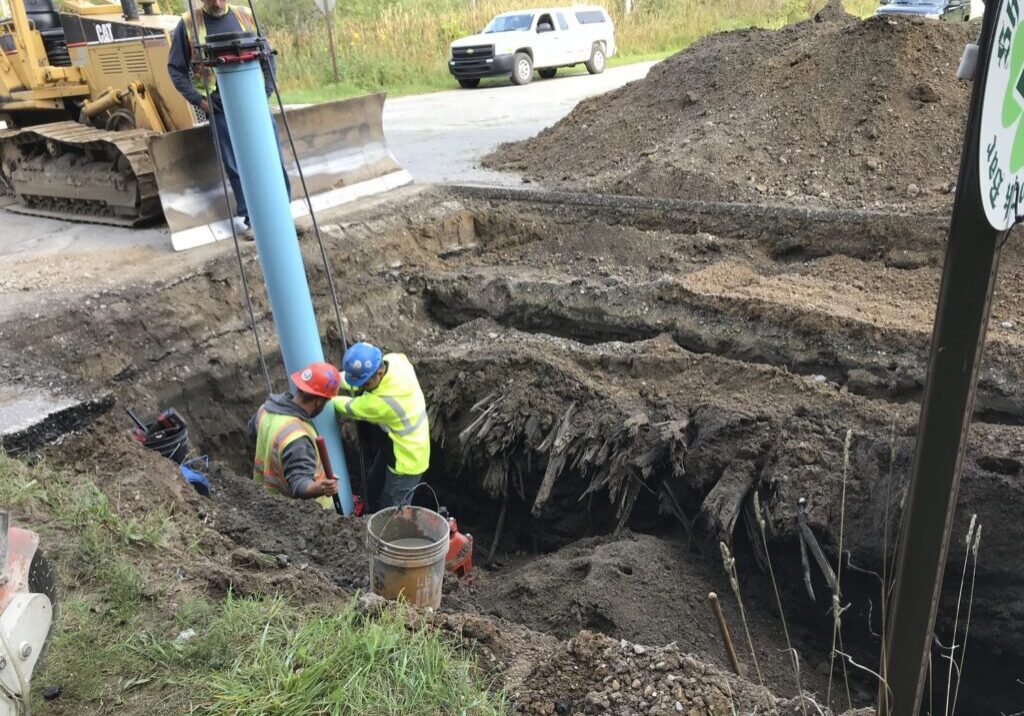
- Helping address unexpected conditions that arise in the field.
Long-term Structural Performance
Long-term structural performance focuses on how structures hold up and continue functioning safely over time. It includes designing for durability and service life by selecting materials, details and systems that can withstand aging, heavy use, and weather. It also involves supporting inspections and future maintenance planning to identify issues early and guide necessary repairs.
How Fleis & VandenBrink Supports Municipal Structural Engineering
Fleis & VandenBrink (F&V) supports municipal structural engineering throughout the entire life of a project, from early planning and design through construction and ongoing inspection. Our team provides structural design services for municipal infrastructure and works closely with municipal staff and other engineering disciplines to coordinate project requirements and existing site conditions. We also offer construction-phase support to respond to field questions and resolve issues as they arise.
F&V is committed to helping communities build safe, durable, and resilient infrastructure. Our team is ready to partner with you and support the structural needs of your upcoming projects. Let’s connect and move your vision forward!
You can reach us today at any one of our 11 locations.
Related Posts